
Life has a way of leaving marks—seasons of loss, disappointment, and heartbreak that can make us feel incomplete. Yet throughout Scripture, God reveals Himself not just as a helper, but as a restorer—One who brings wholeness where there was once brokenness.
Two powerful verses capture this truth:
“I will restore to you the years that the swarming locust has eaten…” — Joel 2:25
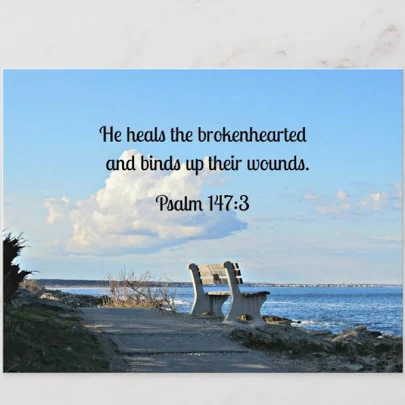
“He heals the brokenhearted and binds up their wounds.” — Psalm 147:3
Restoration After Loss: The Promise in Joel
The book of Joel was written during a time of deep crisis in Judah. A devastating locust plague had destroyed crops and livelihoods, leaving the land in famine and despair.
This disaster wasn’t just physical—it carried spiritual meaning. The prophet Joel called the people to repentance, showing that their suffering was connected to a broken relationship with God. But the message did not end in judgment.
Joel 2:25 marks a turning point.
God promises to “restore the years” that were lost—a powerful image rooted in real history. The locusts had wiped out multiple harvest seasons, meaning not just one loss but prolonged hardship.
In this context, restoration meant more than surviving—it meant overflowing provision, renewed joy, and restored identity.
This reveals something profound:
God does not simply repair what is broken—He redeems what was lost and brings it forward into something new.
Healing the Heart: The Hope in Psalm 147
Psalm 147 comes from a very different but equally powerful moment in history. It was written after the return of the Israelites from Babylonian exile, a time when Jerusalem had been destroyed and its people scattered.
The returning community faced hardship, uncertainty, and emotional wounds from years of displacement. In this setting, the psalm declares:
“He heals the brokenhearted and binds up their wounds.”
This wasn’t poetic exaggeration—it was a reflection of a people who had experienced national and personal trauma.
God’s restoration here is deeply personal. The imagery of binding wounds reflects careful, attentive healing—like a physician tending to injuries with patience and care.
It shows that wholeness is not instant, but intentional. God restores not just circumstances, but hearts.
Wholeness Through Restoration
Together, these verses form a complete picture:
- Joel shows that God restores what life has taken.
- Psalm 147 shows that God heals what life has broken.
Wholeness in God is not about pretending the past never happened. It is about trusting that nothing is wasted in His hands. Even the seasons that felt empty, painful, or lost can be woven into something meaningful.
Restoration is more than recovery—it is renewal of purpose, identity, and peace.
Living in That Promise
When you feel incomplete, remember:
- God sees what you’ve lost.
- He understands what you’ve endured.
- And He is actively working to restore and heal.
Wholeness doesn’t come from having a perfect story—it comes from placing your story in the hands of a perfect Restorer.
And in His hands, even broken pieces are made whole again.
Leave a Reply