
Grace is one of the most powerful truths in the Bible. It reminds us that God’s love is not something we earn—it is freely given.
One of the clearest expressions of grace is found in:
“For by grace you have been saved through faith… it is the gift of God, not by works.” —Ephesians 2:8–9
Historical Background
The Apostle Paul wrote the letter to the Ephesians around A.D. 60–62 while he was under house arrest in Rome.
He was writing to believers in Ephesus, a city known for its strong culture of idol worship and religious practices that often focused on earning favor from gods.
In this environment, Paul’s message was revolutionary—he taught that salvation is not achieved through rituals or good deeds, but is a free gift of God’s grace.
This truth unified both Jewish and Gentile believers, reminding them that everyone stands equal before God.
A Second Verse on Grace
Another powerful reminder of grace is found in:
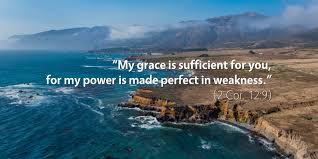
“My grace is sufficient for you, for my power is made perfect in weakness.” —2 Corinthians 12:9
Historical Background
Paul wrote 2 Corinthians around A.D. 55–56 to a church facing internal struggles and outside pressures.
In this passage, Paul shares a personal struggle—his “thorn in the flesh”—something painful he asked God to remove.
Instead of taking the struggle away, God responded with a powerful truth: His grace would be enough. This moment revealed that God’s strength is most visible in human weakness.
Why Grace Matters
These two verses show us two sides of grace:
- In Ephesians, grace saves us—it is a gift we cannot earn
- In Corinthians, grace sustains us—it gives us strength in our weakness
Grace is not just the beginning of our faith—it is what carries us through every season.
Closing Reflection
Grace reminds us that we don’t have to strive for God’s love—we already have it. Whether we are celebrating or struggling, His grace is always enough.
When we embrace grace, we learn to trust not in our own strength, but in God’s endless love and power.